
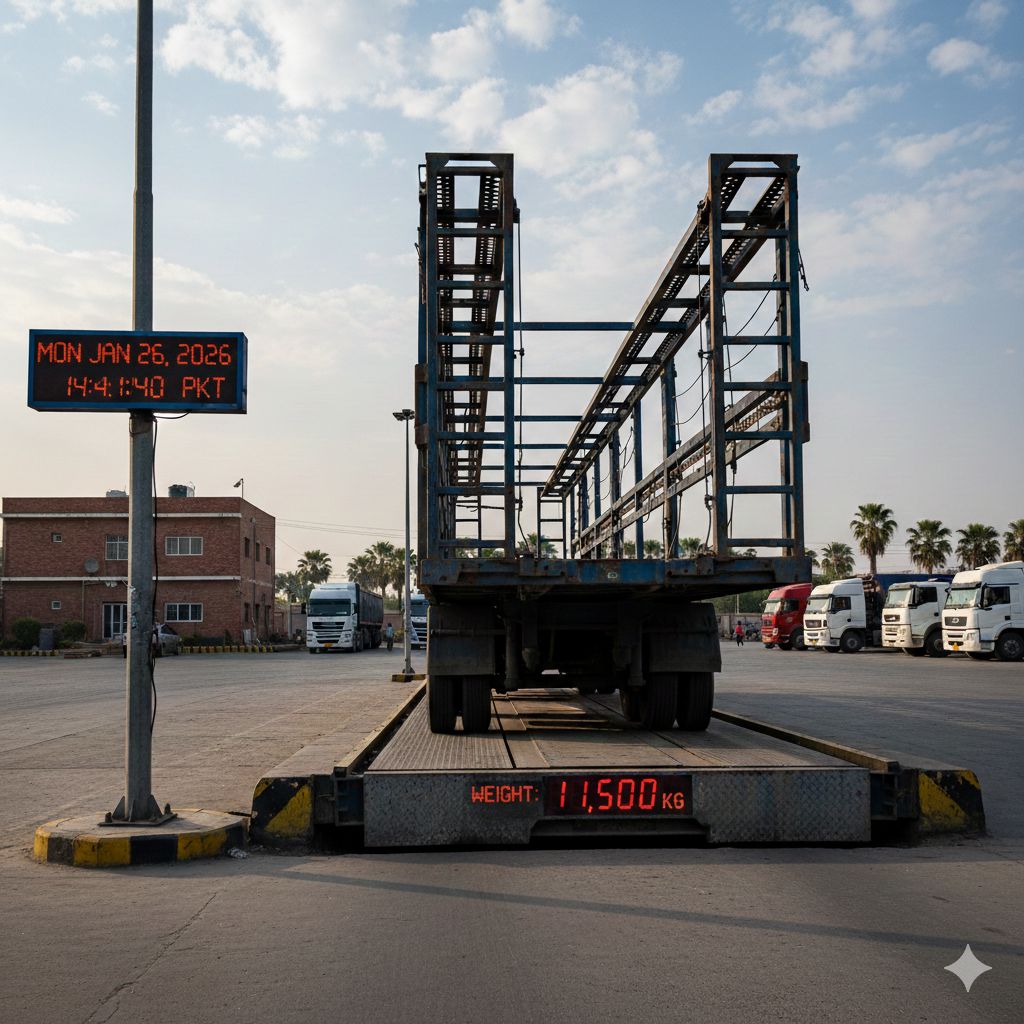

Before towing, you have to check the type of trailer and tariler average weight. This is one of the most important steps. If you want to haul the equipment and move the different items and some heavy cargoes, you have to know how much a trailer weighs, which helps you to carry the items in a safe way.
In this guide, we will explore the weight of trailers and the sizes of trailer types that help you to choose according to your needs.
What is Trailer Average Weight?
The trailer’s average weight refers to the type of trailer and its fully loaded weight. This trailer’s weight depends on the trailer size, material, and design. Mostly trailer designed according to loads and capacity, and size. To avoid the maximum weight for the trailer that is recommended by the manufacturer.
Why is Trailer Weight Considered?
Trailer weight is an important factor to consider because it directly affects safety, vehicle performance, and legal compliance. Towing a trailer that is too heavy can reduce braking efficiency, make steering difficult, and increase the risk of trailer sway or loss of control. Knowing the weight of a trailer also helps prevent overloading the tow vehicle, which can cause excessive wear on the engine, transmission, tires, and suspension. In addition, staying within the recommended weight limits ensures compliance with towing laws and manufacturer guidelines, making every journey safer and more controlled.
How Much Does a Trailer Weigh?
If you are looking for how much does a trailer weigh? The weight of the trailer depends on size and design. Some trailers are lightweight and easy to load and tow:
On average:
- Small utility trailers weigh less than enclosed or box trailers
- Enclosed trailers weigh more due to the walls and roofing
- Flatbed and truck trailers are among the heaviest
The empty trailer weight and the loaded weight should be considered before towing your vehicles.
How Much Does a Trailer Weigh by Type
| Trailer Type | Average Empty Weight | Typical Loaded Weight Range | Notes |
| Small Utility Trailer | 300 – 750 lbs (135 – 340 kg) | 1,000 – 2,000 lbs | Ideal for light cargo and household use |
| Box Trailer | 1,000 – 3,000 lbs | 3,000 – 7,000 lbs | Enclosed design increases overall weight |
| Enclosed Trailer | 1,200 – 4,000 lbs | 4,000 – 10,000 lbs | Added walls and roof add extra weight |
| Flat Bed Trailer | 1,500 – 4,500 lbs | 5,000 – 12,000 lbs | Common for vehicles and equipment |
| Car Hauler Trailer | 1,900 – 3,500 lbs | 6,000 – 10,000 lbs | Designed for towing cars safely |
| Empty Truck Trailer | 10,000 – 15,000 lbs | Up to 45,000 lbs | Used in commercial transport |
| Dump Trailer | 4,000 – 6,500 lbs | 10,000 – 14,000 lbs | Heavy-duty construction |
| Boat Trailer | 600 – 2,500 lbs | 2,000 – 8,000 lbs | Weight varies by boat size |
Where to Get Trailer Weighed
If you are not sure of the trailer’s weight, you have to check before towing. If you are looking for where to get a trailer weighed, here are some reliable options are availble:
- Public weighbridges
- Truck stops
- Recycling or landfill centers
- Commercial vehicle inspection stations
Getting your trailer weighed provides accurate data and helps you tow with confidence.
Final Thoughts
Understanding the trailer average weight and the specific weight of a trailer you are towing is essential for safe and legal operation. From small utility trailers to enclosed, box, and flatbed trailers, knowing the empty weight, gross weight, and tongue weight makes towing more stable and predictable.
Always follow manufacturer guidelines, weigh your trailer when needed, and stay within recommended limits to ensure a safe and smooth towing experience.
0 Comment